

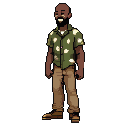



Michael’s 30-day goal: Post 3 times each day on Instagram
Build your dream
in 30 days
Don’t let another month fly by. Let’s cut your dream into daily bricks, so you can build alongside nine peers on a similar path.
How it worksHi, I am Michael
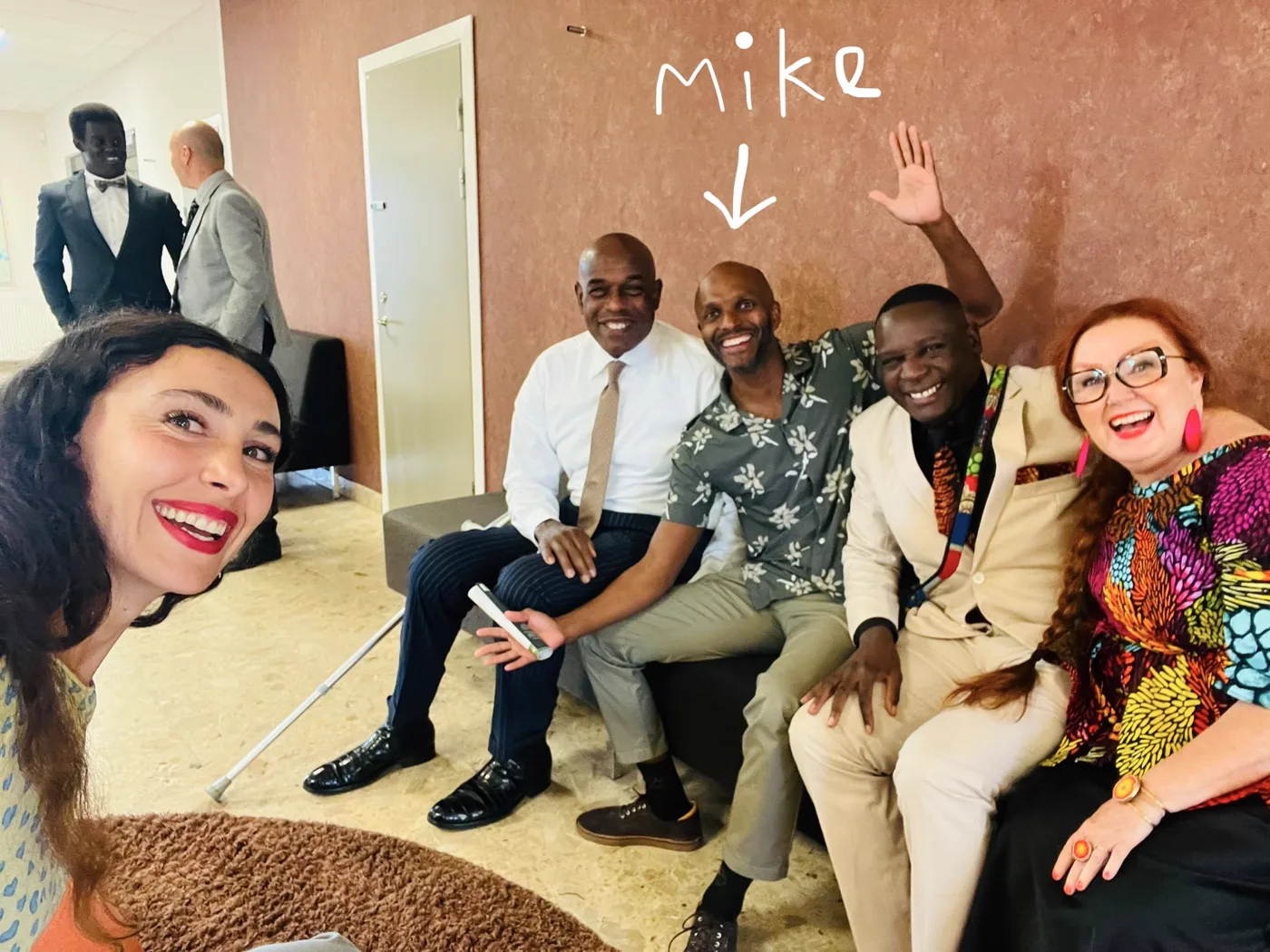
I could not read until I was eleven. Nobody knew why, and neither did I. It took until my mid-twenties for anyone to say the word dyslexia. I had spent years quietly believing I was the problem.
So I know how it feels to start something, stop, and start again. To give up on a Wednesday and regret it on Sunday. I have watched people with real talent do that for years, until they look up one day and a decade has gone. That is the part I cannot stand. Not failing, which is fine. Wasting what you had in you.
I did find a way through. I started on a physics and astronomy degree, moved into process engineering, and went on to study a master’s at Cambridge University. I have worked on jet engines at Rolls-Royce and in banking at Canary Wharf in London, and I built and sold my own social enterprise. Today I run RentPAID, the UK’s leading rentals property technology estate agency. Years of that taught me one thing over and over: people do not need more motivation. They need one clear step, small enough to actually do, and somebody expecting it.
Those are the tools I coach with now. The people who ring me to think something through run departments and companies, and they get stuck the same way everyone else does.
I have been doing this one to one for over a decade. In 2019 I started turning it into a structure, so it could help people directly instead of only the ones who happened to ask me. It began hand-written on a Google Sheet with two friends: each of us wrote down what we did that day and what came next, and each of us knew the other two would read it. It worked when nothing else had.
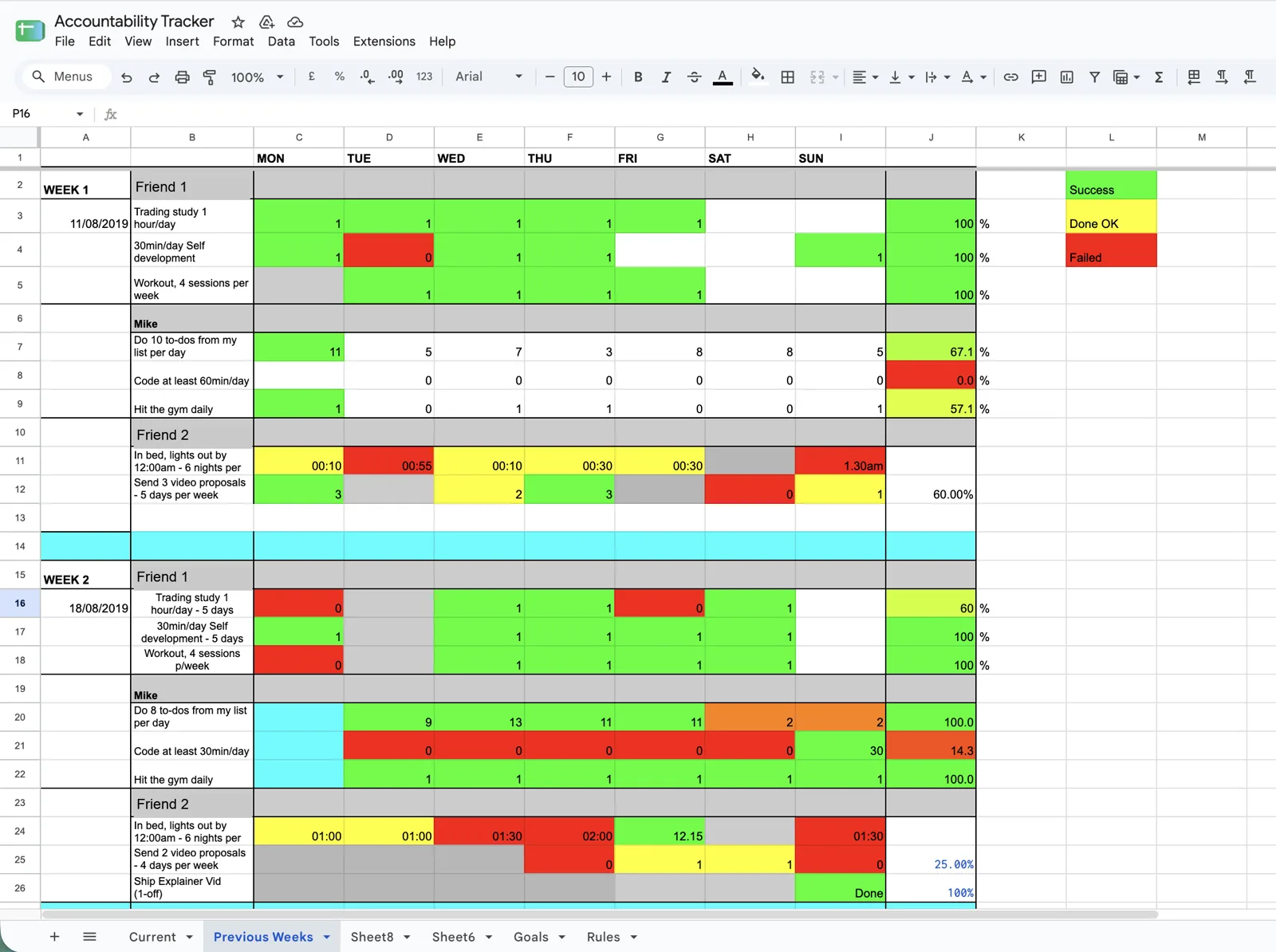
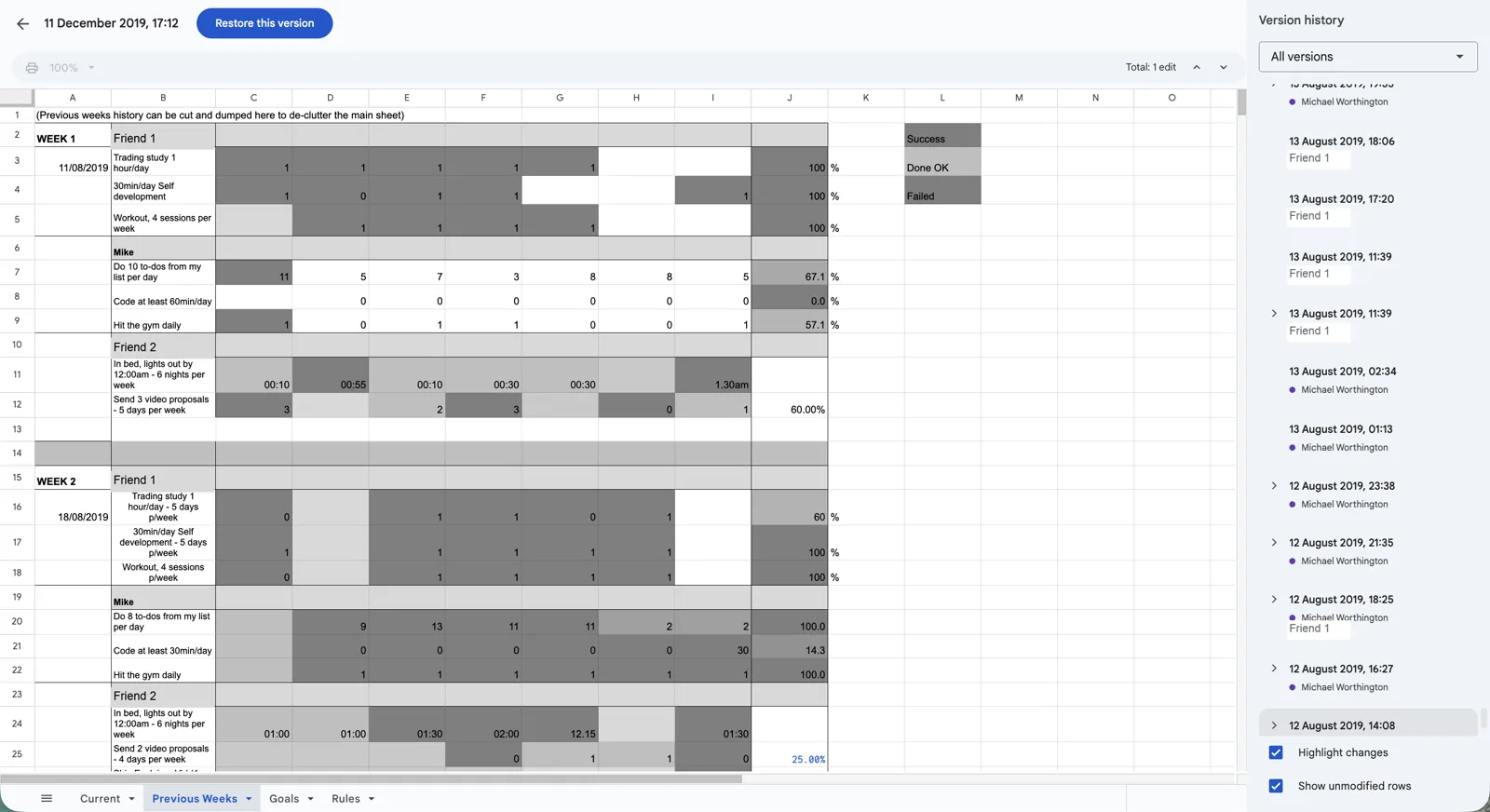
Look at the red. Coding scored 0.0% in week one and stayed on the sheet anyway, because the record tells the truth. That is still the whole idea, and all three of us still stand on what we built in it.
Every year since has taught me what works and what does not. A spreadsheet and my own calendar can only reach so many people, so I have brought it online. That is The 30-Day Sprint: thirty days, one goal, one brick a day, and nine people building beside you. I truly believe everyone has it in them to succeed. Most people just never got a way of working that fit them.
You have a dream, but you never fully give it a chance

You know what your dream is. A business, a social media account, a fitter body, a course, a better relationship. But something keeps holding you back.
You are not alone. It happens to the best of us. Life takes our time every day, the fear of failing creeps in, and there is nobody backing us. So we lose another weekend, then a month, then a year, again and again. Not any more.
It comes down to three things, and each one gets a real answer here.

No time
Work, family, the inbox. The dream always goes last. So here the day’s step is small on purpose: one brick, sized to fit a busy day, on your own clock.

Fear of failing
Starting makes it real, and real can fail. So you lock one clear goal with Michael, and cut it so small that fear has nothing to grip.

No support system
Nobody sees your work, so nobody misses it. Here nine people and Michael see your day and expect tomorrow’s. You are not building alone.
Maybe you have already tried the other paths. The crypto play that promised a shortcut and took your money instead. The course you never finished. The manifesting you did every morning while the dream stayed exactly where it was. None of that makes you foolish. Easy paths sell because the real one looks slow.
But here is the truth about manifestation: the dream shows up because you did the next small piece of it, on an ordinary Tuesday. Manifestation is action. Everything else is waiting.
And the time passes either way. Thirty days from now you can be exactly where you are today, or standing in front of something you built.
None of that takes willpower. It takes a plan that fits you, a few simple tools, and nine people who notice when you go quiet. That is what The 30-Day Sprint gives you, and it starts with a conversation.
From your dream to a finished thing, in five steps
Here is exactly what happens, in the order it happens.
- 1
You and Michael turn your dream into a plan

Your first one-to-one session. Michael listens to what you want to build and why it matters, then helps you shape it into a plan you can actually follow: what gets done in week one, week two, week three, week four.
You leave that call knowing exactly what tomorrow looks like. For most people that is the first time the dream has ever had a date on it.
- 2
He teaches you the tools

Before you start, you learn the tools big companies use to break a large job into small parts and keep it moving. Simple ones, taught in plain English, and yours to keep for every goal after this one.
A dream that felt too big to start turns into a list of ordinary days. That is the whole job of the tools.
- 3
You join a group of ten

Nine other people start at the same time. You are number ten. Everyone builds their own thing, at their own pace, and you back each other up while you do it.
Michael watches over the street and runs a weekly call the whole group can join, 60 minutes with five minutes each, so a stuck week never stays stuck.

A street with example data, so you can see what ten people mid-sprint looks like. Tap any house to see that person’s month. The streets you can actually join are further down this page.
- 4
Every day you tell the group how it went

30 seconds of video at the end of your day: what you did, and what tomorrow’s step is. Under a minute, on your own clock, and only your street and Michael ever see it.
Doing the same small thing at the same time every day is the point. That is how a habit forms, and once it has, the work stops needing willpower. People end up reaching for the building instead of the scrolling.
- 5
Each update builds your house
Every day you report, one part of a pixel house gets built on your street. It is a tracker for your consistency, nothing cleverer than that: you can see your whole month at a glance, and so can the people building beside you.
Day 0An empty plot, and the outline of what you are building. Day 30Thirty days of work, standing up. 21 days of work out of 30 finish the house, so there are nine days of slack, because people have lives. Miss a day and nothing breaks: the build carries on from where you stopped.

At the end you have the thing you built, a house that shows every day it took, and a link you can send to anyone.


Your dream built, and the tools that built it
You do not work any of this out alone. Michael coaches you one to one, and every tool here is simple on purpose: each one tells you what to do tomorrow morning. They are yours for life, for every goal after this one.

Cutting a goal into bricks
Sizing one day’s work to what a real day can hold.

Leading, not lagging
You cannot move revenue or weight directly. You can move calls made and pages written, so your bricks are always that kind.

The witness test
Could a stranger tell whether you did it? If not, you rewrite the brick until they could.

One number
One leading number, read weekly. Never a dashboard.

Price the Unknown
Write every worry down, name each worst case, then act on it, schedule it, or put it down.

Loud or Big
The world decides what is loud. Only you decide what is big, and the week gets planned off big.

The Tie-Breaker
A scored grid for a choice that has been stuck for weeks. Ten minutes on paper usually settles it.

The Barbell
One light thing and one heavy build in the same week, so even a flat day still moves something.

For you if
- You’re already earning and already capable, and the thing you actually want has stalled for a year.
- You can say what would exist at the end of 30 days.
- Nobody is waiting on the thing you want to make, and you know it.

Not for you if
- You want motivation. The street expects, it never cheers.
- You can’t pick one dream to focus on for 30 days.
- You’re looking for therapy or emotional support. This isn’t that, and the FAQ below says so plainly.
Take a plot and start building
A street holds 10 people. The count here is live. Tap an empty plot to take it.
Baker Street
business · 1 of 10 plots takenNot ready to apply yet. Leave your email and Michael will tell you when a plot opens.
Thirty days from now, one of two things is true

Either the idea is still an idea, or it is a thing that exists, with a house standing over the record of how it got made. The difference is one small piece of work, done tomorrow, in front of 9 people doing the same.
$475 covers your first 30 days and 3 one-to-one coaching sessions with Michael: the first gets your goal clear, the next two cut it into daily bricks a real day can hold. It is arranged with Michael directly and never taken on this site. All of it comes back if you ask before your day one, or within 14 days of paying, whichever gives you longer.
After the first sprint, keeping your plot and building again is $50 a month, and stopping is one message.
Applications are read by a person, and no is a normal answer.
Thinking it over is fine. Leave your email and Michael will tell you when a plot opens.
The questions worth asking
What does it cost?
$475 for your first 30 days, including 3 one-to-one coaching sessions with Michael. You pay only after you are accepted, and never on this site. All of it comes back if you ask before your day one, or within 14 days of paying, whichever gives you longer. Building again after your sprint is $50 a month to keep your plot, and stopping is one message. Your money is never tied to your results: nobody here makes money if you fail.
Why charge anything at all?
Because a place that costs nothing gets treated like it. The first streets exist to prove the method in public, and Michael runs his own sprint alongside the first one, on his own house, on the same street. The refund means the only people who stay paid-up are the ones who chose to be here.
How much time does it take?
Under a minute of camera a day: a 30-second Recap at the end of your day, and a 15-second Plan in the morning if you want it. Plus one hour a week for the street call. The real commitment is the work itself: one brick a day, sized so you can actually hit it.
What happens to my videos?
They are yours. Your street and Michael can see them, and nobody else. A video only ever goes public if you switch that one video public yourself. We never delete them, you can delete any or all of them whenever you like, and you can download your album at the end of a sprint. None of them is used in marketing without your separate written yes, per video.
What if I miss days?
Life happens, and the design assumes it. A missed day never leaves a hole in the house: the build carries on from where you stopped. The roof needs 21 built days out of 30, so there are nine days of slack.
Is this coaching or therapy?
It is a structured working format with coaching sessions attached: a locked goal, a daily declared step, and a street of people who expect it. It is not therapy or medical treatment, it does not diagnose anything, and if what you need right now is emotional support, this is the wrong room and we will say so at the application stage.
What’s the catch?
The work is yours. Nobody does it for you, nobody cheers, and the house only shows what happened. If you are looking for the trick, it is this: your street notices when you don’t show up, and that turns out to be the thing that was missing.
Who runs it?
Michael Worthington. He reads every application, runs the coaching sessions and every weekly call, and builds his own house on the first street, on the same rules. He is an engineer by training, and this format started years ago as a Google Sheet he ran with two friends. All three still stand on what they built in it.
Privacy notice and member terms are published here before the first application is collected. Questions to hello@the30daysprint.com.